A truck does not only start costing money when it breaks down. It starts costing money when its activity becomes unclear. Where it stopped, how long it idled, why it left the route and how it was driven, these are the details that decide whether a fleet is running efficiently or simply moving blindly.
On Southern Africa’s freight routes, conditions can change quickly. Border queues can swallow hours, drivers may idle longer than planned, fuel can disappear quietly, route deviations can raise security concerns, and minor mechanical issues can turn into costly roadside delays.
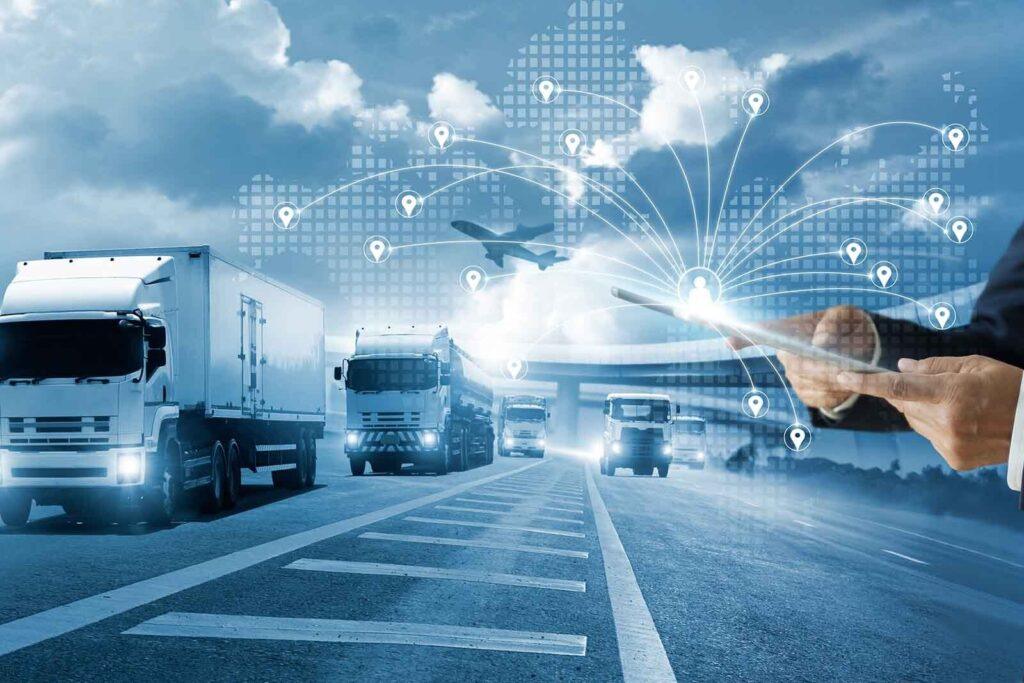
Telematics now offers more than office monitoring. It gives fleet owners and managers real-time visibility from departure to delivery, connecting the truck, driver, load, and business. This allows operators to address issues before they become expensive.
Across the region, from South Africa’s national routes to cross-border corridors, transport companies are under pressure to run cleaner, tighter and smarter operations. Every kilometre, every stop and every litre of diesel carries a cost. Telematics turns those movements into useful data.
MORE THAN A TRACKING DEVICE
Telematics was once seen mainly as a tracking tool, showing where a truck was and when it might arrive. Today, that is only a small part of what it can do.
Modern telematics systems go beyond location tracking. They monitor fuel use, driver behaviour, vehicle health, routes, maintenance and security. This allows managers to oversee the broader operation from a single platform.
For fleets operating across multiple countries, that view is essential. Managers can make informed decisions using real-time data, instead of relying only on phone calls, paperwork or delayed reports.
TURNING DATA INTO PROFIT
The transport industry operates on tight margins. A small saving on one truck may not seem dramatic, but across twenty, fifty or one hundred vehicles, it can become significant.
Telematics helps operators identify waste and inefficiencies that may otherwise be missed, from excessive idling and unauthorised route changes to poor fuel consumption and unnecessary downtime.
The real value lies in turning this data into better fleet discipline. Improved route planning, proactive driver coaching and stronger vehicle utilisation all help reduce costs and improve profitability.
FUEL, THE BIGGEST BATTLE
Fuel remains one of the biggest expenses for transporters, while rising diesel prices continue to challenge operators across the region.
Telematics provides detailed fuel usage data, allowing managers to identify patterns, monitor idling and compare the performance of different vehicles and drivers.
It can also detect unusual fuel losses and highlight routes or driving habits that increase consumption. Small operational changes can deliver meaningful savings, even without further investment.
For fleets covering thousands of kilometres every week, those savings quickly add up. That is why even small improvements in fuel management remain crucial for long-term fleet profitability.
DRIVER BEHAVIOUR MATTERS
Fleet managers know that two drivers can operate the same truck and produce very different results.
Driving style affects fuel costs, tyre wear, maintenance and safety. Telematics can track speeding, harsh braking, aggressive acceleration and excessive engine revving.
This information helps managers identify specific training opportunities and reward better performers. It also reinforces the point that positive driving behaviour makes a clear difference to overall results.
The best fleets use telematics for more than oversight. They use it to build accountability and drive improvement, especially in a region where trucks often carry high-value cargo over long distances and through areas with security risks.
Telematics reduces risk through live tracking, geofencing and alerts. Operators can set virtual boundaries around approved routes, depots and fuel stops.
If a truck deviates from its planned route or enters an unauthorised area, managers can receive immediate notifications. Early intervention can prevent a small concern from becoming a major incident.
For cargo owners, this added visibility builds trust and shows that safety and accountability are central benefits of telematics in modern transport operations.
KEEPING TRUCKS MOVING
A truck in the workshop does not generate revenue. Preventing breakdowns is therefore just as important as managing fuel and driver behaviour.
Modern telematics systems support preventative maintenance by monitoring mileage, engine hours and performance indicators. Automated service reminders help operators attend to issues before they become costly failures.
This approach reduces downtime and improves reliability, which remain key competitive advantages for transport businesses.
Tyres are another major operating expense for trucking fleets, yet they are often overlooked in telematics discussions.
Driver behaviour directly affects tyre life. Harsh braking, speeding, overloading and poor route discipline all contribute to increased wear.
By analysing driver and vehicle patterns, telematics can reveal the causes of tyre wear. Tyre pressure monitoring can also show how targeted information helps extend tyre life and manage costs.
BETTER SERVICE FOR CUSTOMERS
Customers want more than delivery notes. They expect visibility, communication and proof that their goods are moving as promised.
Telematics allows transport companies to provide accurate delivery updates, estimated arrival times and route information. This improves customer service and strengthens relationships.
For smaller operators, this level of professionalism helps level the playing field. Transparent service builds confidence and shows that visibility has become a strong differentiator in customer perception.
THE HUMAN FACTOR
Technology alone will not solve operational problems. Even the most advanced telematics system is only useful when its data is understood and acted on.
Successful operators combine telematics with strong management, driver training and continuous improvement.
Data must be reviewed, drivers must be coached, maintenance teams must be involved, and operational decisions must be guided by the information available.
When it becomes part of the daily routine, telematics moves from being just another piece of technology to becoming part of a company’s culture and long-term success.
LAST WORDS
If you cannot see what your fleet is doing, hidden costs will find you. Telematics brings fuel use, maintenance, safety and service into clearer view. In trucking, where every detail matters, visibility has become one of the most valuable assets on the road.
Report by BRYAN KAYAVHU | Images © sourced